

.svg)


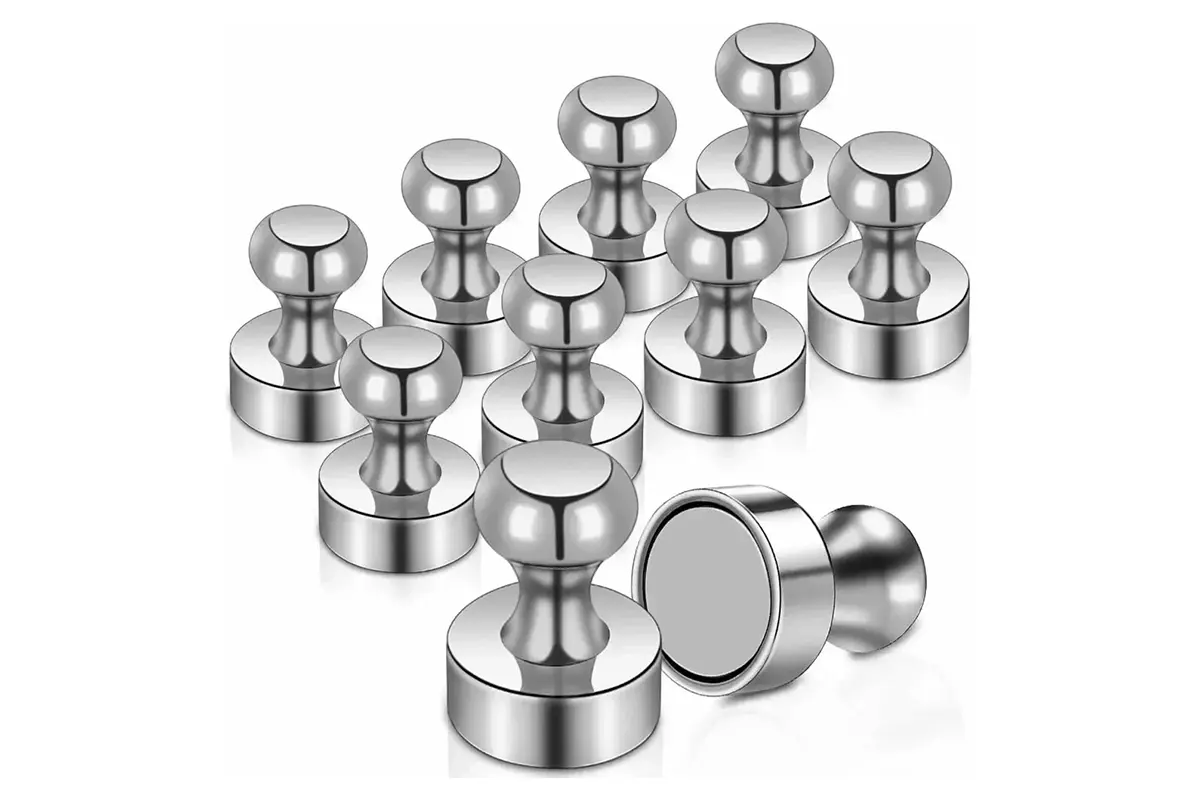
Neodymium magnets: how to choose the right one (without making a mistake)
Neodymium magnets are an excellent solution when you need a lot of strength in a small space, but choosing “the strongest” is not always the best decision. To buy well, it is advisable to start with the actual use: are you going to fix something permanently, do you want a removable closure or do you need to hold a tool for moments? With that answer, you can already limit shape, size and strength level.
1) I defined the surface and the material
A magnet performs best on clean, flat steel. If the part is stainless (not all are magnetic), aluminum, wood, plastic or a painted/grained surface, the grip goes down a lot and you may need a larger magnet or a different system (for example, a magnet with a metal base/support, if it is in your catalog). The “fit” also matters: the more flat and direct contact, the more effective force.
2) I chose the shape according to the job
-
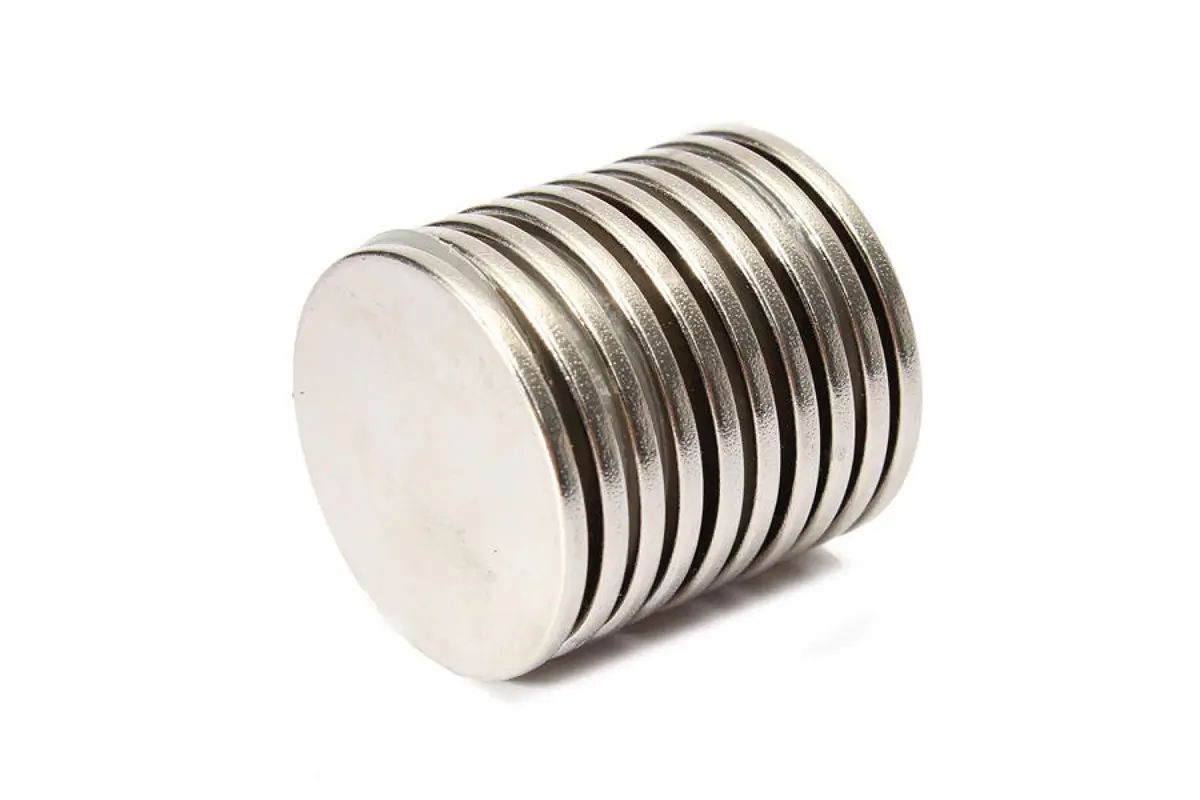
Disc or cylinder: very versatile for compact fasteners and fasteners.
-
Block/bar: useful when you want a wider contact face or linear fixation.
-
Ring: practical when the assembly requires screw/shaft or you want to pass an element through the center.
If your project has vibration or impacts, prioritize ways that allow better support and, if necessary, additional mechanical support.
3) Don’t confuse “theoretical strength” with “real life strength”
The published force is usually measured under ideal conditions (perfect contact, suitable material, straight pull). In real use there is almost always separation by paint, fabric, curvature or an angle of traction, and there the force falls. Practical rule: if the use is critical, choose margin (increase size or strength) and avoid depending on a single point of attachment.
4) Consider environment and temperature
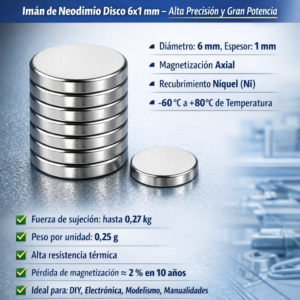
Moisture, outside or contact with water can accelerate corrosion if the magnet is damaged or loses coating. The temperature also influences: if the magnet works close to heat (motor, furnaces, strong sun on metal), it is advisable to verify that the model supports that range.
5) Think about security from the beginning
Powerful magnets can pinch fingers, break on impact and damage sensitive objects. For large sizes, wear gloves and eye protection, and keep them away from children. For large sizes, wear gloves and eye protection, and keep them away from children.
Quick checklist before buying
-
Surface material: Flat steel or is there paint/separation?
-
Shape: disc, block, ring… which one fits the assembly?
-
Working condition: vibration, shock, outdoor, humidity, heat?
-
Type of force: straight or lateral traction?
-
Safety: Is there a risk of pinches/impacts or electronics nearby?

Add comment